
#290 – Building the Lucas Literacy Lab: One Writer’s Journey from Home Classroom to School Founder
Welcome back to the Spun Today podcast! In this inspiring episode, host Tony Ortiz sits down with returning guest Amanda Lucas—educator, writer, and now founder of her very own microschool, the Lucas Literacy Lab. Amanda shares her incredible journey of resilience, starting from homeschooling her daughters during the pandemic to navigating the bureaucratic maze of opening a school from scratch—all while balancing motherhood, creativity, and her passion for writing.
Amanda dives deep into the challenges of entrepreneurship and education reform, highlighting the tenacity required to pioneer new paths in teaching. She also discusses her children’s book, "I Need an Idea," and the creative process behind it, offering insight for writers and educators alike. This conversation isn’t just about opening a school—it’s a masterclass in creative problem-solving, leadership, and building something meaningful against all odds.
Whether you’re an aspiring writer, educator, or entrepreneur, Amanda’s story will inspire you to take bold steps toward your own creative dreams—one small, determined step at a time. Stick around for a conversation packed with hard-won wisdom, storytelling, and the reminder that creativity can thrive even in the toughest circumstances.
The Spun Today Podcast is a Podcast that is anchored in Writing, but unlimited in scope. Give it a whirl.
Twitter: https://twitter.com/spuntoday
Instagram: https://www.instagram.com/spuntoday/
YouTube: https://www.youtube.com/@spuntoday
Website: http://www.spuntoday.com/home
Newsletter: http://www.spuntoday.com/subscribe
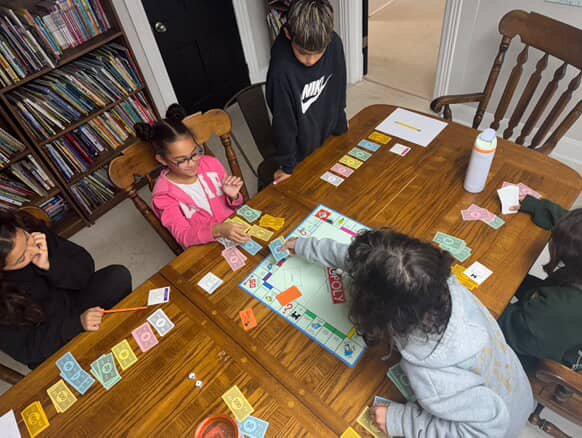
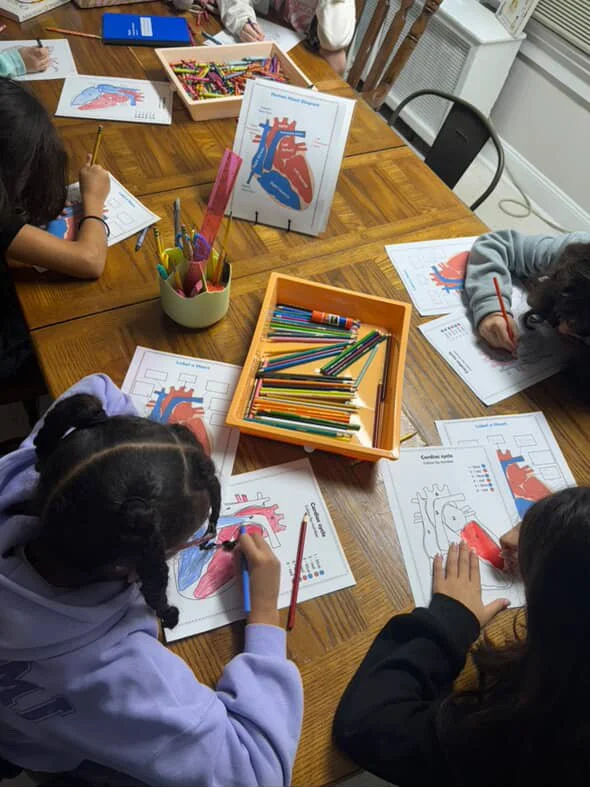
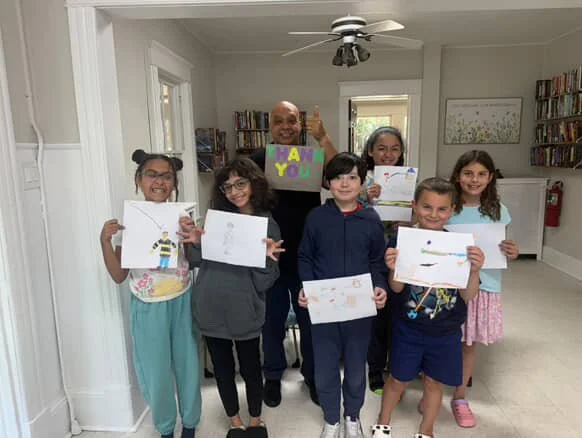
Links referenced in this episode
Check out and follow the Lucas Literacy Lab:
Lucas Literacy Lab: https://www.lucasliteracylab.com/
Instagram: https://www.instagram.com/lucasliteracylab/
YouTube: https://www.youtube.com/@LucasLiteracyLab
Want to start your own Microschool? Checkout KaiPod: https://www.kaipodlearning.com/start-a-microschool/
Get your Podcast Started Today! https://signup.libsyn.com/?promo_code=SPUN
(Use Promo code SPUN and get up to 2-months of free service!)
Check out all the Spun Today Merch, and other ways to help support this show! https://www.spuntoday.com/support
Check out my Books
Make Way for You – Tips for getting out of your own way
Melted Cold – A Collection of Short Stories
http://www.spuntoday.com/books/ (e-Book, Paperback & Hardcover are now available).
Fill out my Spun Today Questionnaire if you’re passionate about your craft. I’ll share your insight and motivation on the Podcast: http://www.spuntoday.com/questionnaire/
Shop on Amazon using this link, to support the Podcast: https://amzn.to/4km592l
Shop on iTunes using this link, to support the Podcast: https://itunes.apple.com/WebObjects/MZStore.woa/wa/viewTop?genreId=38&id=27820&popId=42&uo=10
Shop at the Spun Today store for Mugs, Notebooks, T-Shirts and more: https://spuntoday-shop.fourthwall.com/
Music: https://www.purple-planet.com
Outro Background Music: https://www.bensound.com
Spun Today Logo by: https://www.naveendhanalak.com/
Sound effects are credited to: http://www.freesfx.co.uk
Listen on: ApplePodcasts | Spotify | Pocket Casts | YouTube | Website
Transcript
〰️
Transcript 〰️
Amanda Lucas [00:00:00]:
I don't know anyone who didn't deal with something very stressful, even though all the problems were different. So I think that what people need to know is that you, you know, you have to imagine like worst case scenario and then 10x that it's gonna stress you out. But there is always a way, right? And I think if the desire to create change, to build something that you know is needed, that can be done in a way that's not being done yet. If that will is strong, then all you need is to, to find the next step. One step and you're like, still in it. You can still keep going. You don't have to solve the whole issue or every issue that comes at you all in one shot. It's just one.
Amanda Lucas [00:00:50]:
What one thing can you tackle at a time? How can you be creative to solve the problem? And then you'll, you'll just stay in the game. But it requires like anything else that's new. It requires leaders and founders who are tenacious and who can cry. Because we all cry. We like are on the phone sobbing all the time and then get up in the morning and just like, do it again. Do it again. Yeah.
Tony Ortiz [00:01:35]:
What's up? What's up, folks? What's going on? Welcome to the Spun Today Podcast, the only podcast that is anchored in writing, but unlimited in scope. I'm your host, Tony Ortiz, and I appreciate you listening. This is episode 290 of the Spun Today podcast. And in this episode I am excited to welcome back Spun Today alum Amanda Lucas. The last time she was on, we talked about her path as a writer, a teacher, a parent, and since then she's taken an even bolder leap. She started her very own school, Lucas Literacy Lab. That's what the main focus of today's episode is about. But also between our last episode, which I actually re released as episode 282 for folks who want to take a listen.
Tony Ortiz [00:02:22]:
But between that last episode and this more recent one, she also put out her first children's book. It's called I Need an Idea, which was illustrated by Michael D. Gregorio. I have it and I've read it to my boys and I highly recommend it. It will be linked to in the episode notes for you folks to check out. We spoke a bit about the book as well as her plans for future releases, which sound really exciting, so definitely stick around for that. But going back to the main focus of this episode, hearing the story of how she went from homeschooling her own kids during the pandemic learning about micro schools to finding a location to then battling zoning boards and landlords and dealing with the bureaucracy and all the red tape in order to ultimately open Lucas Literacy Lab. What really stood out to me was her tenacity, her resilience, and admirable entrepreneurial spirit.
Tony Ortiz [00:03:21]:
Folks listening to this episode can take a lot away from it in that regard, which can be applied to not only your own entrepreneurial pursuits, but your creative endeavors as well. In this conversation, Amanda opens up about the triumphs and heartbreaks of building something from scratch while juggling parenthood, creativity and entrepreneurial ship. So whether you're a teacher, a writer, or just someone that's curious about building your own path, this episode is for you. So definitely stick around for all that good stuff. But first I wanted to tell you all about a quick way that you can help support this show if you so choose. Your support means a ton, helps keep the lights on here at the proverbial Sponsored A studios and is much appreciated if you go to sponsoreday.com support. There are a bunch of different ways including merch and affiliate links that you guys can check out, but here is one of those ways and then we'll jump right into the episode. Another great way for you to help support the show and also take care of your foundational health is by going to sponsay.com support and clicking on my affiliate link for Athletic Greens aka AG1.
Tony Ortiz [00:04:40]:
One scoop of AG1 in your water helps to fill nutrient gaps, promote gut health, and support whole body vitality. Just one serving delivers a comprehensive blend of nine products a multivitamin, minerals, prebiotics, probiotics, adaptogens and more, all of which work together for the strongest foundation for better health. I personally take AG1 and really appreciate the peace of mind of knowing that my foundational health bases are covered even when I know I'm not eating as healthily as I should be. Also, by using my affiliate link@ Sponsor.com support you will get one free year of of vitamin D3 as well as five AG1 travel packs absolutely for free. Again, go to Spunte.com forward/support and click on the banner for AG1. What's up folks? What's going on? We have a special treat for you all today. We have a spun today alumni returning to the show which has been doing big, big things since we last met up. Ms.
Tony Ortiz [00:05:43]:
Amanda Lucas is with us once again. Welcome Amanda. That round of applause is for you.
Amanda Lucas [00:05:51]:
Thank you. Hi Tony.
Tony Ortiz [00:05:54]:
Hey. For those that may not have listened to the first episode, I actually re released it as episode 282 for those that want to go back and take a listen to that. But just as a quick recap, Amanda told us all about her journey related to creative writing and her aspirations. There. We spoke about parenting and her ultimately becoming an educator and teaching different grade levels and at different schools from public to private to charter to homeschooling. And it was a great episode in and of itself. So I highly recommend folks to go back and check that one out. But you, Ms.
Tony Ortiz [00:06:34]:
Amanda, have been up to very, very big, impressive things since then, which is the bulk of what this episode is going to be about, which was starting your own school, like actual building school.
Amanda Lucas [00:06:49]:
Nuts.
Tony Ortiz [00:06:50]:
And I'm gonna ask you all about that. But I would be remiss if I didn't first ask you about writing what I believe, and you can obviously correct me if I'm wrong. Was your first book, which is I Need an Idea Lillian Emmy book, which is a children's book that I've read to my boys multiple times. And it's great. So.
Amanda Lucas [00:07:10]:
Oh, my goodness.
Tony Ortiz [00:07:12]:
So definitely I'll link to it to the in the episode notes for folks to check out. But wanted to ask you first, you know, this being primarily writing and creativity podcast, wanted to ask you about that process and where the ideas came from for that book and.
Amanda Lucas [00:07:27]:
Yeah. How it's okay. Okay. So that book I actually wrote had to be 2010. I wrote that book a really, really long time ago. And it was before I had Emmy. So it was just about Lely. And I wrote it in my first apartment, my first one bedroom apartment when I was working at State Farm as a receptionist.
Amanda Lucas [00:07:50]:
And I just wrote it at nighttime because I was inspired by, you know, being a mom and everything that I was learning through the eyes of my daughter. And I actually wrote quite a few books at the time. I wrote about her losing her first tooth because that was disgusting for me. Like, she lost. She lost the tooth. And I was like laying on the floor with the air conditioner on and sweating because I had to pull this tooth out and it was bleeding and I was. It was. So I wrote about.
Amanda Lucas [00:08:22]:
That I wrote about. But I had to, like, explain the whole tooth fairy thing to her. And I like made up this fun explanation in this book I wrote about. This one is about her birthday and how she wants to have this big grand birthday and she can't think of, like, the perfect way to spend the day. And ultimately it's just very simple and with family and if she's with her Family. She. She's good. I added Emmy to it after she was born and I wasn't.
Amanda Lucas [00:08:53]:
I kind of. It was like just on the shelf for a while, along with all the other ones that I wrote. And then I met my friend Mike, who later became the illustrator for the book. We were just kind of talking about our creative endeavors and I let Mike read it and he loved it and he was like, let me, let me illustrate this. Mike is the one who did the podcast with me.
Tony Ortiz [00:09:16]:
The Chair podcast. Right. There you go. Yeah, we spoke all about that in the last episode too.
Amanda Lucas [00:09:22]:
Yes. So Mike illustrated the whole thing. So we would have like weekly meetings where we would go over like concepts for what it was supposed to look like in terms of color and the girls hair textures and all kinds of stuff. And yeah, once. Once he was done with it, we self published it and it was a beautiful little moment. And then the next one that I had was about. It was. It's actually the two girls living in Williamsburg, which they never lived in Williamsburg I did, but they're living in Williamsburg and they go to McCarran park and they go to play on the playground with some kids.
Amanda Lucas [00:10:02]:
And their Spanish is really bad because as you know, my Spanish is horrible.
Tony Ortiz [00:10:07]:
It's not that bad.
Amanda Lucas [00:10:09]:
Yeah, I'm Puerto Rican and I raised in New York and so my Spanish is really bad. So I wrote this book for those kids who like fully understand the language but can't really defend themselves that well.
Tony Ortiz [00:10:21]:
Like the. The Yono Sabo kids.
Amanda Lucas [00:10:23]:
Yes. The no Sabo kids. Yes. I wrote it and I love that one. But that one still is not done with like the illustrations. Yeah, so that one, the first one is out and there are more to come. That's why we put the little label in the corner. Lily Emmy book, because they're all like based on the girls.
Tony Ortiz [00:10:45]:
Nice. That's awesome. Definitely can be posted when that one comes out. That one. Sound sounds cool. I'll definitely, you know, put on socials and stuff like that now. Oh, actually real quick, because something you said brought up a memory for me with Aiden losing a tooth. Not in his first tooth, but just a quick, funny story.
Tony Ortiz [00:11:04]:
He probably like a second or his third tooth was loose and I was like coursing around with him, you know, some like play wrestling and stuff like that. And I actually flipped him over like I grabbed him like by the ankles and I was gonna like swing him on the bed. And yeah, he like banged his. His like whole face like on my knee basically. And the tooth fell out right Then and there. And I was. And, you know, it came out so abruptly that there was, like, blood everywhere, and I was like, oh, my God, like, just, like, flipping out. But thankfully, it was just no additional damage.
Amanda Lucas [00:11:40]:
Falling out. That is a really gross part of childhood. I don't know why we have to go through this, but, like, teeth just falling out of your head is not okay.
Tony Ortiz [00:11:50]:
I know, right? A design flaw right there.
Amanda Lucas [00:11:54]:
Right.
Tony Ortiz [00:11:56]:
All right, So I wanted to. I'm really into how the sausage is made when it comes to, like, anything.
Amanda Lucas [00:12:04]:
Okay.
Tony Ortiz [00:12:05]:
And you, like, like we just mentioned, started your own school, and you have a history, which, you know, feel free to jump in and recap. But from teaching at, like, public and private and charter schools. And then you did homeschooling when you still lived around here, around the way. And since you. You've moved away, you wound up opening your own school. And I'm just really curious, just to start off with the logistics of that, like, building permits and. And how to even choose a building and decorating and what goes into that. And are there other teachers involved? The number of students you have, and are you, like, principal? Are you still teaching? Are you a founder? Like, how does it work? Like, what.
Tony Ortiz [00:12:49]:
Take us through, like, that gamut. And starting off, also, what inspired you to take the leap from teaching to starting your own school? That's amazing.
Amanda Lucas [00:13:00]:
Okay. Wow. That's a lot of questions. Okay, so in terms of who I am in the building, we'll just answer that with, I am everyone. I hold every title in the building, which is a thing that I guess. Okay. There are a lot of schools like mine popping up all over the place, and I'm part of a network of them. And this is the thing.
Amanda Lucas [00:13:28]:
Most of us are just educators who wanted to do things differently. And when we open these schools, it's like culture shock, you know, it's like a whole new. Because then you have to be, like, an accountant, a bookkeeper. You're the cleaning lady, you're the, you know, you're the legal team, you're the boss, you're the principal, you're the dean, you're the teacher, you're the. You're everything.
Tony Ortiz [00:13:49]:
Like, all the ancillary things that you necessarily don't think come up while you're, like, going through learning the process of, like, putting it all together. Yeah.
Amanda Lucas [00:13:57]:
Or at least like, you. You know, I knew that I was going to have to do a lot. But you don't. Not until you're in it. Do you really realize. I think this is true for all entrepreneurs. You don't know what. What you're getting into until you're, like, actually doing it.
Amanda Lucas [00:14:13]:
And then it's like, what. What happened? What's going on here? This is crazy, right? But, yeah, so, yeah, I'm doing absolutely everything. But let's. I guess I'll start with what. What prompted this? Like, where this came from.
Tony Ortiz [00:14:25]:
Yeah, that'll be great.
Amanda Lucas [00:14:26]:
Yeah. So I was in. I was teaching regularly. Right. Pandemic happens. And I opened the little pod in my home, which you know about. We. Maybe we talked about this last time that I opened the little pod in my house.
Amanda Lucas [00:14:42]:
And I had five kids. One of them was my youngest, Emmy. And I was teaching in my house. I, like, pulled the couch to the middle of the living room and created a little classroom space behind the couch. And we had our backyard. And, you know, I used the kitchen. The kids were cooking. We were using different curriculum for each kid.
Amanda Lucas [00:15:03]:
I, like, tested to see where they were, and then they were growing, and it was beautiful, and it was free. It was, like, very. I had a lot of autonomy there, and the kids were free. So there was such a difference in, like, running my own thing, even though it was in my home, that I just. Once I did that, I wasn't gonna go back.
Tony Ortiz [00:15:25]:
Right. It, like, planted the seed of what's possible, and you saw, like, a vision of where it could go type of thing.
Amanda Lucas [00:15:32]:
Right, Exactly. And it wasn't like. I mean, it was in my home, but I care very deeply about academics, so I wasn't. It wasn't like a daycare center. Right. Like, my kids were learning. We were doing, like, really intentional work. But it was done in a way where there was no pressure.
Amanda Lucas [00:15:48]:
There was no need for kids to cry over school or, like, be stressed out over school, because it was home. And it felt like. It just felt. I just felt like I was, like, extending myself as a mom to children and giving them my skill set of, like, helping them develop in more than just, like, the emotional, nurturing kind of way. It was. It was that. It was like they would come in, and if they had a. If they had a bad night the night before, they were going to take a nap before we got to work, Right.
Amanda Lucas [00:16:20]:
If they were hungry, I was going to give them a snack. If we were having lunch, we were eating rice and beans. It was going to be healthy. They were going to help me cook it, you know.
Tony Ortiz [00:16:28]:
Nice.
Amanda Lucas [00:16:29]:
Yeah. We're playing in the snow. You're. You're gonna go change in the bathroom. You're gonna Give me your wet clothes. I'm gonna wash them downstairs for you while you watch something with a, A hot cocoa. And then, and then we'll get into a read aloud and then we'll do some math. Right? It was like that.
Amanda Lucas [00:16:45]:
It was like that. Yeah, it was. And it was, it just. The kids were happy. I was happy I didn't have admin, you know, coming and saying to me like I had in the past, like, oh, you know, the kids are not tracking you with their eyes. The kids are not sitting up straight. The kids are, you know, like, let's see your numbers. I just, it was just a beautiful thing.
Tony Ortiz [00:17:07]:
Right? Because there's, there's not. Sorry to cut you off, but there's like a. When. When in that example that you just use, like with admin, like, I liken it to. I work in finance, like my day job. So I liken it to like a very corporate numbers focused, cold calculated type of environment which doesn't really lend itself to the like, emotional aspects of education. That and, and how you're able to, you know, what each kid needs individually. So the, like, the number of students, one helps with that.
Tony Ortiz [00:17:40]:
Like the reduced, like class size, for example, but also that freedom of being able to, to know, oh, this kid needs an app or they're gonna be cranky all day. And whatever I try to teach them, they're not gonna learn anyway because that's gonna be in the, you know, their backdrop of the day. But then I have on the flip side, corporate telling me it has to be done this way no matter what because they're just trying to, you know, check off boxes and meet whatever quotas they need to meet for like their funding, so on and so forth. And it's like not beneficial for anyone in that sense. So I can definitely see the appeal.
Amanda Lucas [00:18:12]:
That's right. So she. So to be fair, like, they have to run it a certain way because they have so many more students.
Tony Ortiz [00:18:21]:
Yeah. They're dealing with mass.
Amanda Lucas [00:18:23]:
Right. And they have, like, how can you possibly ensure that you're doing anything if you don't standardize it? If you don't, you know, have the data, you have to. And then in order to keep the children safe, you know, they have to be well behaved, they have to stay in line, they have to be. Be relatively silent for most of the day. They have, you know, there's absolutely, there's.
Tony Ortiz [00:18:46]:
Pros and cons to both sides. And I agree with that. Like there's, it can't be all one or the other. There has to be like a happy medium, I would imagine there, which is like what you're working towards.
Amanda Lucas [00:18:59]:
Yes. What I'm actually, I think what I'm doing is I'm just creating an alternative for the people that it serves. You know what I mean?
Tony Ortiz [00:19:08]:
Right.
Amanda Lucas [00:19:08]:
And then. So there was more that went into it. It was, it was the fact that I felt I got a taste of that freedom and the ability to do it. And I'm also a person who just doesn't like people telling me what to do. So especially when I'm like, very passionate about something, like, I don't need you to tell me how to do my job.
Tony Ortiz [00:19:28]:
Right.
Amanda Lucas [00:19:29]:
So there was that. But then at the same time, my kids had their neurological issues. Did I tell you about this in the last podcast?
Tony Ortiz [00:19:37]:
I don't think so.
Amanda Lucas [00:19:39]:
Okay, so while. So 2020, I. I opened the pod in the house. 2021, my oldest daughter Liana, was diagnosed with the AVM in her brain, which is the, the veins and the arteries were tangled in a knot. Oh, wow. And so, yeah, and it was. We found out that she had had this since six months gestation, but it was found accidentally because, like, she had some like, drooping in her eye. And I took her and they just did like a random MRI just to check.
Amanda Lucas [00:20:09]:
And it was. They found that. And so they were like, this can potentially bleed and it can be life threatening. So we have to do brain surgery.
Tony Ortiz [00:20:20]:
Like an aneurysm type of situation.
Amanda Lucas [00:20:23]:
Yes.
Tony Ortiz [00:20:23]:
Oh, wow.
Amanda Lucas [00:20:24]:
And. And then the. A month after my youngest was diagnosed with epilepsy. Childhood epilepsy. So I found out that the little one had epilepsy because I was homeschooling her and I was noticing regressions and I was like, what is going on? Things that she could do for years now, like, I'm noticing that she's struggling with. So I took her and they did an EEG and they found that she had epilepsy, which was. The type of epilepsy that she had was like tiny micro seizures happening every six seconds in the brain.
Tony Ortiz [00:20:59]:
Oh, wow. Constant like non stop.
Amanda Lucas [00:21:01]:
Yeah, like, yeah, Consistent seizures that would like, cause her to like kind of stare off into space. It wasn't grand mal seizures or anything crazy, but it was like tiny little seizures that were like jolting her brain every six seconds.
Tony Ortiz [00:21:13]:
And what, how, what did you notice in terms of regressions, like you said, that prompted you to even take her to do the eeg?
Amanda Lucas [00:21:21]:
She was showing an inability to. First of all, she was like allergic to doing any sit down work, which she had prior. She was, like, really excited to do. She would sit down and read with me. She would want to do her writing. She would. And then it turned into, like, tears. Anytime that she saw anything, like down to the Alphabet, and she was 4 years old, and she would look at it and just start crying.
Amanda Lucas [00:21:46]:
And then she was, like, kind of staring, like, blankly for a little while and she would, like, forget what we were talking about. And then she was super hyperactive, like, I suspected, like adhd. Like, super, super hyperactive. Couldn't sit still, was touching everything. Like, just, you know, we would sit down. The color and the pencil, the crayon was on the floor constantly. She was like, all over the place. And that would have been fine if she had been that way always, but it was like a switch that happened out of nowhere.
Tony Ortiz [00:22:19]:
Right. So like the night and day difference type of thing is what, like, prompted you.
Amanda Lucas [00:22:23]:
Yeah, okay. Right. And it was like, I would give her. I would give her work that. Because I always, you know, she was. She knew her Alphabet when she was 2. We were. I'm constantly reading with my kids.
Amanda Lucas [00:22:36]:
She was reading very early on, and then I would give her books that she would always, like, she knew. And she would cry when she would look at them. Like it was a struggle for her to look at it. So I took her in and they did some testing, and she had this form of epilepsy that was affecting the reading centers of the brain and jolting her brain consistently. So she. While Liana was dealing with, you know, brain surgery and recovery. The recovery that was horrible. It was just the worst time of my life.
Amanda Lucas [00:23:06]:
The little one was also having overnight EEG visits and, like, you know, testing out medications that were not working. And it was just rough.
Tony Ortiz [00:23:16]:
Yeah, I can imagine. Wow.
Amanda Lucas [00:23:18]:
Yeah. So I could not go back to work if I wanted to.
Tony Ortiz [00:23:22]:
Right.
Amanda Lucas [00:23:22]:
It wasn't going to happen. And I didn't want to send the kids back either because they were, you know, they were dealing with things. So, like, Liana's recovery was. It was. It's a three year recovery from the type of surgery that she had. And she had to. Yeah. And.
Amanda Lucas [00:23:40]:
And causes all kinds of stuff. The brain surgery is very delicate. And so, you know, she would have, like, random stroke symptoms where I would have to rush her in or, you know, like, really bad migraines. Couldn't look at. She would lose her vision temporarily every now and then, like, couldn't hold. You hold anything. It was really hard.
Tony Ortiz [00:24:01]:
That's so scary.
Amanda Lucas [00:24:02]:
So, yeah, so we had to. I had to I homeschooled them for that reason. I was homeschooling my kids for the. That year from. We did the pod in 2020, and then 2021, I homeschooled my kids, and Emmy was in. I think she was in first grade. I'm pretty sure Emmy was in first grade. And Liana was intense.
Amanda Lucas [00:24:24]:
Yeah. And it was a lovely year. Despite all, like, the hospital things, it was a really beautiful year. Like, we took a bunch of trips and the kids. I was, like, creating curriculum for Liana's. She was. For her high school classes and, like, for her American history. We did a whole unit on Puerto Rico, which was really awesome.
Amanda Lucas [00:24:46]:
She would not have gotten that in public school.
Tony Ortiz [00:24:48]:
Right?
Amanda Lucas [00:24:49]:
Yeah. And we did, like, you know, she did. I outsourced her math because I wasn't going to teach her, like, high school level math and, like, chemistry, that kind of thing. But I homeschooled them, and it was a wonderful year. By the end of the year, Liana was well enough to go back to school, and she wanted to go back to school. She was going into 11th grade.
Tony Ortiz [00:25:10]:
She probably missed the social dynamics of high school, you know, that type of thing.
Amanda Lucas [00:25:15]:
Yeah. She wanted to do graduation and prom and all that stuff. So we were like, okay, we moved. We had moved to New Jersey that year.
Tony Ortiz [00:25:23]:
Can I ask you real, real quick before we move on from there? Because I'm just curious about the. When you say, like, you. You create your. The curriculum and you did the homeschooling, like, in my mind, I'm like, wait, you have to teach both. Because I'm. I'm just coming from my experience of, like, public school. So, you know, different kids, different grades, different teachers, stuff like that. How do you, as one educator, how does it work to teach a first grader and a 10th grader? And how does it.
Tony Ortiz [00:25:53]:
How do you reconcile, like, with the. I would imagine there's some sort of, like, state type of, like, back and forth where things have to. Where you have to make sure that they check off some boxes so that they're. Whatever it is that you're teaching them translates, if it makes sense. If I'm using. I'm probably not using the right terminology, but like translates into, like, a high school diploma eventually type of thing.
Amanda Lucas [00:26:16]:
Yes. So in New York, different states have different rules when it comes to homeschool. New Jersey is the. One of the most lenient, and New York is one of the most restrictive. So starting in New York really served me because New York has so many requirements that it helped keep me on track, but also it helped with the transition when we moved here. So. So first of all, I had to send in a letter of intent to the school district to let them know that I was pulling them and I was homeschooling them. Then I had to complete what's called an ihip.
Amanda Lucas [00:26:54]:
It's an individualized home instructional plan. And you have to. They give you guidelines of, like, how many credits for each class. And for the little ones, it's more like how much time per subject, and it has, like, a breakdown of what subjects need to be covered. And so I did a whole bunch of research into different curricula. So, like, for Liana, she needed. She needed chemistry. She needed.
Amanda Lucas [00:27:21]:
I think. I don't know if she was in algebra 2 at the time. Potentially, I think that's what it was. She needed civics, economics. She needed Spanish. There was a bunch of, you know, like, what she would have had in public school.
Tony Ortiz [00:27:33]:
But then.
Amanda Lucas [00:27:34]:
So I did a bunch of research.
Tony Ortiz [00:27:36]:
Sorry, just real quick, the. So they'll give you, like, the umbrella kind of. It needs a history segment or section rather. And then you decide that within there you'll teach, like, the Puerto Rico.
Amanda Lucas [00:27:49]:
Yeah. So she needed. So, like, for history, I'm going to. I'm going to butcher this because I'm doing this off the top of my head. I don't really Remember exactly for 10th grade what it was, but I know that there were multiple units that needed to be covered in history. She need a world history, and she needed U.S. history. And for U.S.
Amanda Lucas [00:28:06]:
history, she needed a certain amount of credits. I don't know if it was two or three or what. But so I feel like, you know, we did like, the Constitution. I got her curriculum for US History and world history, and I added as one of those credits, a deep dive into Puerto Rico.
Tony Ortiz [00:28:23]:
Okay.
Amanda Lucas [00:28:24]:
Which. Right. So I. And then I. I put on the ihip, I put the resources that I was using. So. So I chose novels, I chose nonfiction books, I chose some videos that she was going to watch, some trips we were going to take. I put on there.
Amanda Lucas [00:28:40]:
Yeah. Like, she was learning all the way from, like, the Tainos all the way through, like, the Spanish American War into, like, modern day, like, the Schomburg center, like, all the things. And I put that all on the list and then I send it out and they. They approve it.
Tony Ortiz [00:28:57]:
Gotcha. Okay. So you tell them, all right. To meet your requirements. This is what I'm planning. And you know, there could be some back and forth or if they approve it, then as Long as you teach it and I guess establish some testing within it.
Amanda Lucas [00:29:11]:
Yes.
Tony Ortiz [00:29:12]:
Some like goal posts, then it's just as good as if they went to actual.
Amanda Lucas [00:29:17]:
Right. And then there are. There's curricula that you can opt into. Like there's online school that you can do. Like she did online. It's a program called Shoreman she did for her science and math. And that is, I believe, that's accredited. I'm not sure if they have their accreditation, but I'm pretty sure they are.
Amanda Lucas [00:29:36]:
But they are like a very well known homeschool curriculum. And so we signed her up for that. That was approved, no problem. And they keep their records and they test her and the whole thing. And then I just send that quarterly. You have to send quarterly reports of what units they got through, what grades they got. And then at the end, you have to. They have to do standardized testing.
Amanda Lucas [00:30:02]:
So the older kids, Liana had to do a standardized test. And Emmy. It was either a standardized test or like there was a written thing that the teacher could write out and just kind of give a summary of how the year went. You can't do that every year. For the younger kids, you have to. You can. If you. If I chose to do that one year, then the next year you have to alternate two years in a row.
Amanda Lucas [00:30:26]:
And then you have to do the standardized testing. Yes. And so you have to keep. You have to do the ihop, you have to do the quarterly reports, and then you have to do the end of year assessments, and then you're all clear with them.
Tony Ortiz [00:30:40]:
Nice. Okay, that's so interesting. All right, so then New York, the New York system prepared you because they were more. More rigid.
Amanda Lucas [00:30:48]:
Yes.
Tony Ortiz [00:30:49]:
So they like, over. Prepared you for what you eventually moved into when you moved to New York. Sorry, to Jersey.
Amanda Lucas [00:30:54]:
New Jersey, yes. Which is. It also prepared me because. Okay. In New Jersey, I've come to understand that a lot of homeschool families, because New Jersey is so flexible and open, they don't realize that if you ever pivot, you will come up against some issues. So when Liana wanted to go back to school, and I love. I have no issue with public school, some people think, like, oh, if you're a homeschooler, you don't like the public school. No, I think that the public school works for certain people and alternative.
Amanda Lucas [00:31:25]:
Alternative school works for other people. And that's, that's just that. Right, right. But they're, they're both very good. So Liana wanted to go back to school. We fully supported that. So we, when I went to enroll her, they were like, oh, so she was homeschooled. Okay, what documentation do you have? And I had everything that New York required.
Amanda Lucas [00:31:46]:
And so she was able to move right into AP classes. Like she took with me, she took AP Art history, she took ap. I think her chem was ap. She took a couple of AP classes and she had to take the AP test at the end. So she was able to move into like honors and AP classes in her. In her public school when she went back. But they did tell me, like, if you didn't have this documentation, she would have started in ninth grade.
Tony Ortiz [00:32:12]:
Oh, wow.
Amanda Lucas [00:32:14]:
Yeah. And no, no one seems to know that like, that they will. They need to know where the kid is. They can't just like throw them in and hope for the best.
Tony Ortiz [00:32:25]:
Yeah, exactly. Yeah, yeah. That's why, that's why it was so important to like map out that, like the fundamentals of that. Like, how do you like the logistics of how do you know what is going to transfer over to the school if they like, like in your case, back to school or. Or have to.
Amanda Lucas [00:32:41]:
Right, yeah. And you never know with like, life is crazy. You never know where you're going to end up or what you're going to need. So it's better to be over prepared to have all that stuff.
Tony Ortiz [00:32:50]:
Exactly. Cover all the bases when you can.
Amanda Lucas [00:32:53]:
Right. So when we got back, I mean, when we. The following year, when Biana got. Went back into school, Emmy also went back into school. And I started on my project of opening my own school. Emmy and I went to a micro school. So it was the first of its kind that I had ever come across a micro school in New Jersey. And I was looking for alternative schools for Emmy because Emmy wasn't so excited to go back like Liana was, and she enjoyed the flexibility of homeschooling.
Amanda Lucas [00:33:27]:
And it was really working for her. Like, all the issues that she had come up against, they were like in the back in the rearview mirror, like she was doing. She was doing really well. So. And she wasn't super excited to go back to school. So I found I was looking for alternative schools and I was like, Googling, like, I don't think I knew the term micro school. I think I was Googling like hybrid schools or like homeschool pods or. Because I wanted to do it with people.
Amanda Lucas [00:33:55]:
I didn't want to just homeschool her and not integrate her into her community.
Tony Ortiz [00:34:00]:
Right.
Amanda Lucas [00:34:01]:
So I found a micro school in Mountainside, New Jersey. And so it was kind of A trip for us. And I. When I met with them, they were looking for a teacher. So I took the job. And Emmy was enrolled and she started there.
Tony Ortiz [00:34:19]:
Nice. That worked out.
Amanda Lucas [00:34:20]:
Yeah. Yeah. So. And when I was there, I told the owners that I really wanted to start my own school. They had on their website that they were willing to help people start their own school. It was like a section of their website that was like, if you're interested in starting your own school, we can help you. And I was like, oh, this is great, because I would love to do this. I had wanted to do this for years and years.
Amanda Lucas [00:34:43]:
So I go to meet them and I start working with them, and it's going okay. But they weren't as. This is where this, like, alternative school world kind of cracked open for me. They. They were not as interested in academics as I was.
Tony Ortiz [00:35:03]:
Gotcha.
Amanda Lucas [00:35:04]:
So it was very, like, free and, like, the kids could, you know, do what they wanted. And there was a whole lot of, like, free play. But the academics, in my opinion, were lacking. Not. Yeah, it just wasn't what I thought was needed. And so I was in the building. So I was like, Emmy. I was teaching the older grades.
Amanda Lucas [00:35:26]:
It's like mixed age, but they had a. They had three classrooms, and the kids were between three and four years, within three or four years of each other in each classroom. And I had the oldest ones, and Emmy was one class down. And I was like, you know what? We're going to put her in my room because I want to teach her, because I. I know that she can do more. I didn't want to go backwards after all the progress we'd made.
Tony Ortiz [00:35:52]:
Right.
Amanda Lucas [00:35:53]:
So I was like, give her to me. And. And that wasn't. They didn't want that. So I left.
Tony Ortiz [00:35:59]:
Oh, that sucks.
Amanda Lucas [00:36:00]:
So we. We left. Yeah, we left. But what I found out was that they were part of this network of micro schools called Kaipod. And Kaipod is a network of micro schools that has 19 of their own schools. And then they also have a catalyst program for people who are interested in starting their own schools. And for. So I.
Amanda Lucas [00:36:22]:
I was talking to Lionel and I'm like, what do I do? Do I work here for another year and then try and start my own school, or do I just leave now and do it? And he was like, let me walk the dog and I'll come back and tell you. He went. He, like, he pondered it over, came back and was like, do it. He was like, let's just do it. Like, what. What are you waiting for? Like, you know, you have your concept, you know what you want to do. You basically did it before. Like, let's just.
Tony Ortiz [00:36:47]:
Right, right. That's awesome.
Amanda Lucas [00:36:50]:
So I. Yeah. So I applied for the Catalyst program. Tony. I had. I. Listen, I was nuts because I did it with no money. Like, I wasn't, like, you know, saving for this.
Amanda Lucas [00:37:01]:
I came across this Catalyst program and was like, you know what? This sounds like a great opportunity. I. I do not have, like, money set aside to start a business, but, you know, God is going to make a way. Let's figure this out. So I applied and I was accepted to. To the Catalyst program. And the Catalyst program fast tracks you if you're trying to start your own micro school, and the goal is to have your school up and running within seven months.
Tony Ortiz [00:37:28]:
Wow. That's aggressive.
Amanda Lucas [00:37:30]:
Yeah, super aggressive. So they walk you through, like, these modules. So we had weekly meetings, and we were walking through these modules, and it was like, the legal side, the financials, the location, you know, all the things.
Tony Ortiz [00:37:44]:
Like, all the fundamentals that you need to get up and running.
Amanda Lucas [00:37:47]:
Yes.
Tony Ortiz [00:37:48]:
Nice.
Amanda Lucas [00:37:48]:
Right? And then they. They have. They have this team. And all these people are so well versed, right, because they have so many of their own schools. They've done this across the United States successfully so many times that they. They're, like, very well suited to get you where you need to go.
Tony Ortiz [00:38:05]:
Right. They have that all honed in.
Amanda Lucas [00:38:07]:
Right. So there were people that you could reach out to for any question you knew. You knew who to go to. So they walked us through all these modules, and we had homework every week, and it was like, okay, here's the compliance part. Here's the location part. Like, we're gonna tell you what you need, and you're gonna hear all your marching orders. Next time we meet, all this is gonna be done, and then, you know, we're gonna move on to the next thing. So that's what we did.
Amanda Lucas [00:38:31]:
But they are, like, all scattered everywhere. There's none of them in New Jersey. So I was the only one actually in the state. But I was coming to them with, like, all the state regulations and everything that I was finding, the locations that I was finding, everything. And they were walking me through it. So I find my goal was to be in a home because of the home pod that I had already had. I didn't want to be in, like, a sterile location. I didn't want to be in a storefront.
Amanda Lucas [00:39:00]:
I wanted a backyard. I wanted it to fit, feel cozy. I wanted it to feel like homeschool, like that's what I wanted to feel like.
Tony Ortiz [00:39:09]:
Nice. Yeah. That's where like, design elements come in.
Amanda Lucas [00:39:13]:
Yeah. So the first building that I looked at was a home, but it was. It looked like a home, but it was actually operated as a school for 50 years.
Tony Ortiz [00:39:26]:
Oh, wow.
Amanda Lucas [00:39:27]:
But it was a daycare. It was like a daycare center. And like early childhood. And the owner, I believe she passed away. And it was. The building was picked up by investors and it had been on the market for two years before I came across it. And no one wanted it because it was overpriced. And so I went and I was like, can I.
Amanda Lucas [00:39:48]:
Can I rent this? And they were willing to rent it to me. The price was way too high. I called the zoning office to make sure that it was zoned for educational use. They say, yes, it is. No problem. You got it. Like, go ahead. And I.
Amanda Lucas [00:40:02]:
And so I did my due diligence. I took it to Kaipod. They, Their legal team. They would, like, look through it for me. Their advisors looked at everything for me. I got a. A commercial realtor and we started talking to the landlord and he was just being totally unreasonable and asking for way too much money. And so I was like, you know what? Forget it.
Amanda Lucas [00:40:26]:
Let me go look around. I wanted it, but I was like, you know what? Whatever. Let me go find something else.
Tony Ortiz [00:40:32]:
Yeah, you can't, can't force it either.
Amanda Lucas [00:40:34]:
Yeah, I wasn't going to force it. So I spent seven months looking for something else and there was nothing else. There were. There were storefronts that didn't have any outdoor space. And I don't know how to keep children in a store.
Tony Ortiz [00:40:51]:
Yeah.
Amanda Lucas [00:40:52]:
With no yard. Like, I can't do that.
Tony Ortiz [00:40:55]:
Just like bouncing off the wall.
Amanda Lucas [00:40:56]:
Yeah. There were other buildings that were not z properly. They were like. It was just. There was nothing. There was nothing. And at the same time, we had been working through all the other modules. So I'm marketing.
Amanda Lucas [00:41:08]:
I'm like, aggressively marketing this business. I'm, you know, I'm forming the business legally in New Jersey. It's registered. You know, I get my ein, I get my, my insurance. I get all kinds of. Everything is like, ready to go. And I had to.
Tony Ortiz [00:41:23]:
You just need the actual physical place.
Amanda Lucas [00:41:26]:
And I had no place. Right. I had no place.
Tony Ortiz [00:41:29]:
The entrepreneurial was. Right.
Amanda Lucas [00:41:32]:
Yeah, it's very. I'm learning that I have to just live in, like, the discomfort, like, not having control and just know that I'm gonna make things happen. I'm meeting with family and they're like, yeah, the concept, where is it gonna be? And I was like, you know what? I'm actually choosing between this location and that location. Like, which do you prefer? And as soon as we have it, I'm going to give you a tour. The goal is to have it by this date. School is going to start first week of September. Like, you know, and the families were on board with me. They were like, okay, cool, done.
Amanda Lucas [00:42:07]:
Like, we're with you. They will give me their deposits. They signed. They signed the. They registered their children for a school that had no building.
Tony Ortiz [00:42:16]:
That's crazy.
Amanda Lucas [00:42:18]:
Yeah. Yeah.
Tony Ortiz [00:42:19]:
And were they, like, how many, if you don't mind me asking, like, how many families were there initially?
Amanda Lucas [00:42:26]:
And, like, school was ready to start? I had. I think I had 15. I think I have. 15.
Tony Ortiz [00:42:34]:
Wow.
Amanda Lucas [00:42:35]:
15 or 19 or something like that.
Tony Ortiz [00:42:37]:
And all different ages or like, within an age range.
Amanda Lucas [00:42:41]:
Yeah, the age range is 6 to 12.
Tony Ortiz [00:42:44]:
Got it. Okay.
Amanda Lucas [00:42:45]:
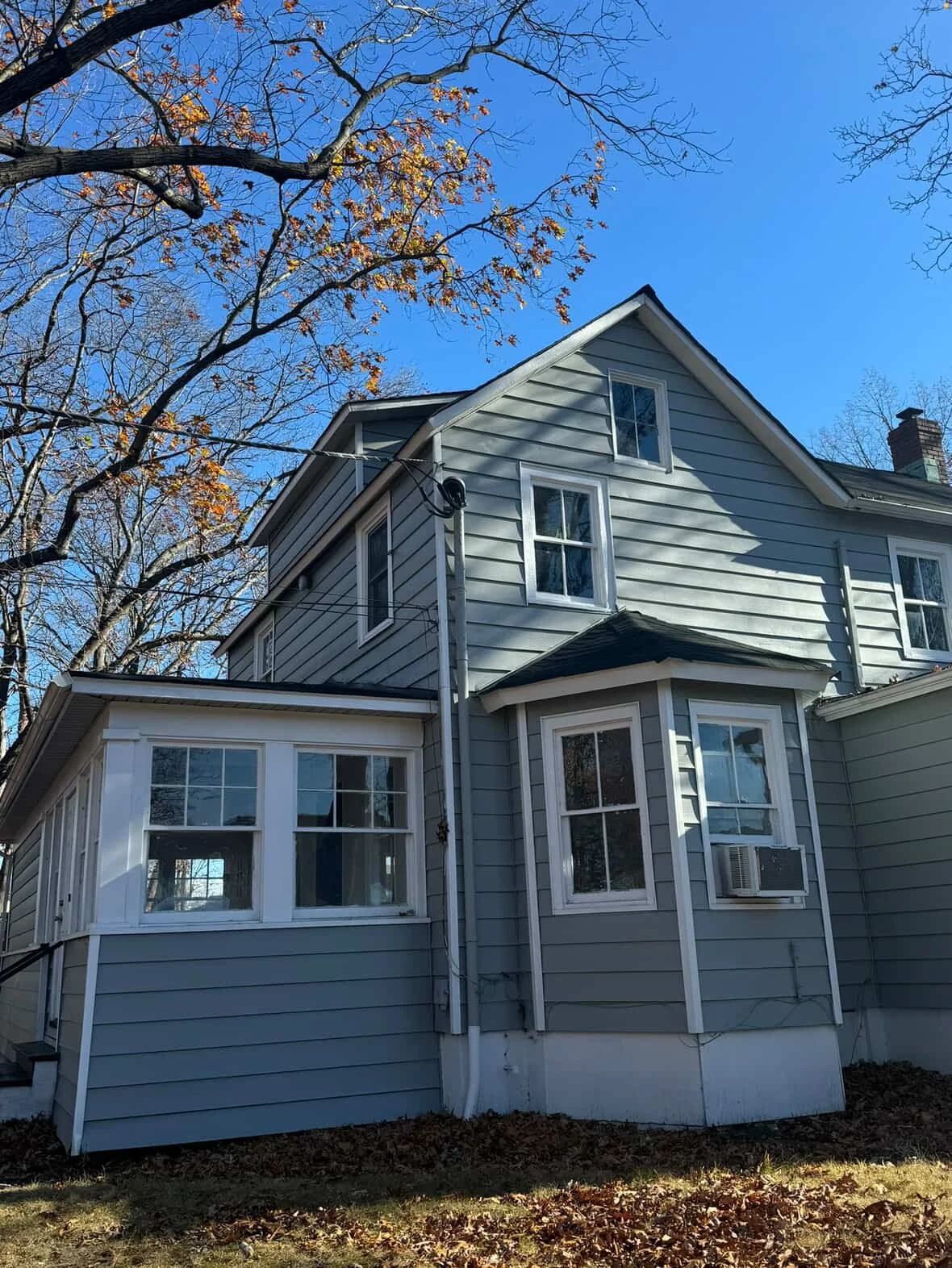
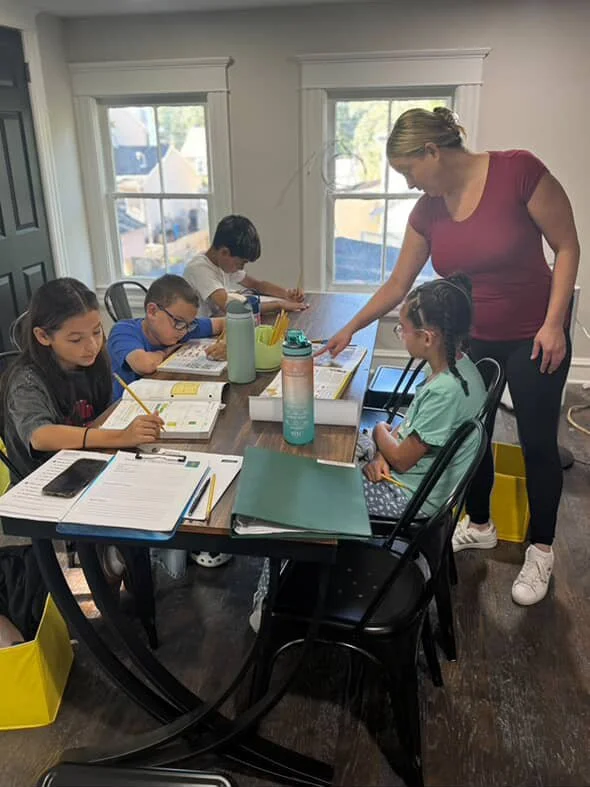
Yeah. And I had two teachers. I had hired a lower school teacher and a teacher's assistant. And my building, my school actually has three units on the property. So it's. It's an acre. And then there are three units. And the main unit was going to be for the middle school, and then the unit behind it was going to be for the lower school.
Amanda Lucas [00:43:07]:
And then the smallest unit was just going to be my office. And then we had, like, a huge playground.
Tony Ortiz [00:43:13]:
Nice.
Amanda Lucas [00:43:14]:
And so I'm. I'm renovating. No, this is before. Okay. So we didn't. I didn't get the place yet. Right.
Tony Ortiz [00:43:19]:
Yeah. So go back.
Amanda Lucas [00:43:20]:
So. So I. I had hired. I hired people. I had. I had all these families. We were ready to go. I had my.
Amanda Lucas [00:43:30]:
You know, you have to, like, do everything down to, like, the color scheme, the logo, the everything. Your. Your mission statement, all of that. I love your logo, by the way. Thank you. Thank you. That was. I love my logo.
Tony Ortiz [00:43:43]:
And, And. And the. The alliteration of the name. The. Lucas. Lucas Literacy Lab.
Amanda Lucas [00:43:48]:
Literacy Lab.
Tony Ortiz [00:43:49]:
Yeah.
Amanda Lucas [00:43:49]:
Yeah. Thank you. Yeah. So I. We did. I did all of that. And then I started to feel the pressure, like, okay, I have to settle on a spot because school is going to start and we gotta, like, get this going. So I go back to them, because the original building, because it's still on the market, nobody wants it.
Tony Ortiz [00:44:09]:
So you have a little bit more. More negotiating leverage now because it's been seven months and still sitting on the market. They're not making money off of it, so.
Amanda Lucas [00:44:16]:
Right, exactly. So we go and they lower the price a little. There's still a Whole lot of. Of negotiating that needs to get done. The lawyer, my lawyer and their lawyer, they. They're going back and forth a million times. And then finally I get a version of this lease that I send over to everyone I know. And I'm like, you tell me, what do you think? And they're like, okay, this seems good.
Amanda Lucas [00:44:39]:
Like, you got it, you can do it now.
Tony Ortiz [00:44:41]:
Nice.
Amanda Lucas [00:44:41]:
This lease is so extensive. It has. There's so much that I'm responsible for. I probably almost vomited, right? Because it was like such a heavy thing. It was like this expensive monthly rent. And then we also had property taxes. I'm responsible for everything. All of the utilities, the landscaping, the.
Amanda Lucas [00:45:05]:
All of it. Like, it's essentially, I might as well own it. But I went into this so fast that I didn't have. Like I told you, I didn't save anything to start this. And then I didn't. I also didn't have proof of concept, so I wanted to make sure that it was something that could work before buying the property outright, right? So. But it was. The lease was so scary, but I prayed on it and I just.
Amanda Lucas [00:45:32]:
We did it, right? So I signed the lease, I get the property, and I'm waiting for the certificate of occupancy so that I can start moving with what I need to do. And the landlord is like, not. He's not. He's not going to give me anything. So my realtor was like, yeah, the landlord gives you the certificate of occupancy. The landlord was like, you figure that out. So I go to the township and I talk to the same zoning officer who told me that this was zone for educational use. And I say, hey, I need a certificate of occupancy.
Amanda Lucas [00:46:00]:
School is about to start. I got. I need it. He was like, okay, no problem. Send over this application, whatever. So I send over the application. He says, I'm sorry, my supervisor will not allow me to give you the certificate of occupancy. And I'm like, why? He's like, because she doesn't know what a micro school is.
Tony Ortiz [00:46:19]:
Oh, wow.
Amanda Lucas [00:46:21]:
I was like, okay, why does she need to know what a micro school is? Educational use. Yeah. Like, yeah, true. Just.
Tony Ortiz [00:46:27]:
It falls under that umbrella.
Amanda Lucas [00:46:29]:
Yeah, it's going for educational use. Like, go away. And they were like, no, you cannot. You cannot use this for a micro school. If it's a daycare center, that's fine. If it's a private school, if it's a public school, that's fine. But a micro school, no, isn't A.
Tony Ortiz [00:46:44]:
Micro school considered a private school technically, kind of.
Amanda Lucas [00:46:48]:
But the difference is that because I cater to the homeschool community, I have parents are in charge of like almost everything. They can choose how many days a week their kid comes to school. Right. So they can choose the curriculum that their kid uses. They can choose to opt them out of something that I'm teaching them. They can, they can, they have full autonomy.
Tony Ortiz [00:47:11]:
Oh, wow.
Amanda Lucas [00:47:12]:
So yeah, so I, what I do is I come alongside the families, I see what their goals are for their children and I meet them there and I'm like a helper. I'm not like the all knowing teacher who takes the kid from you and will give them back to you. Educated. Right. I'm gonna, yeah, I'm gonna come alongside the family. I spend the whole first month of school, the whole first month of September. The lesson plans are all for me, they're not for the kids. So that I'm learning who the kids are.
Amanda Lucas [00:47:42]:
I want to know who their best friend is, what's the best time of day for them to work, what are they interested in, Are they a tactile learner, kinesthetic learner, do they enjoy reading? What level is their math, what level is their reading? That whole thing. And then I have a meeting with the parents and together we determine the best curriculum for each child individually.
Tony Ortiz [00:48:02]:
Oh wow.
Amanda Lucas [00:48:04]:
Yeah. This is why like the class size is so, so small. So the kids work on like we could have a kid who's really good in English. Like I was like, I, you know, if it were me in my school and I were, let's say technically a second grader, I could work on fourth grade English and first grade math if I needed that. Do you know what I mean?
Tony Ortiz [00:48:27]:
Yeah, that sounds awesome. That sounds like a lot of individual attention and it's like a cool partnership for parents that want to be involved or that can be that involved in their kids education for them to be that much more hands on than other schools afford, you know?
Amanda Lucas [00:48:46]:
Yeah. But also they don't have to be, you know, it's all an option. So there are some families who are coming from the public school who need full support because they don't know what curriculum to choose. They don't know what the kids are supposed to know at what stage. They don't know. They just don't know. So then they're with me. The kids are with me full time.
Amanda Lucas [00:49:04]:
I have constant meetings with the family so they know everything that's happening. But we, then we choose curriculum. Right. But I, that's You know, I presented to the parents, and they're a lot. Sometimes they're like you, you know, best.
Tony Ortiz [00:49:18]:
Yeah.
Amanda Lucas [00:49:18]:
But that's only if they want that. If that's what makes them comfortable.
Tony Ortiz [00:49:22]:
Right. And. But it's awesome from a parent perspective just to have that option, you know?
Amanda Lucas [00:49:27]:
Right. And then also we have. I keep all the same records that New York forced us to keep in New Jersey. You don't have to. But I've recreated all of their documentation for my school. So the kids have portfolios.
Tony Ortiz [00:49:41]:
Nice.
Amanda Lucas [00:49:41]:
And they. I keep everything. So wherever they go, they can, you know, take that with them.
Tony Ortiz [00:49:46]:
That's awesome.
Amanda Lucas [00:49:47]:
Right. So. But the township was like, what do you mean? Like, what do you mean that you're helping homeschool families? Like, homeschool families are homeschool families, and private school families are private school families. And what you're doing is not a thing.
Tony Ortiz [00:50:04]:
Wow.
Amanda Lucas [00:50:04]:
But it's just because it's pioneering it. Right. It's new. They just. They didn't understand. But them not understanding, they were like, you cannot operate because we don't know what you're doing. So this was in August, and school was supposed to start, like, September 4th.
Tony Ortiz [00:50:19]:
Oh, my God.
Amanda Lucas [00:50:20]:
So they shut me down. They shut me down. And my. All of my families, I had, what, 15 or so families, and they had to put their kids somewhere, and I could not operate. And I had to write an email to everybody and let them know, like, guys, I'm so sorry. Like, I'm. Now I'm in this wild battle with the township to prove that we deserve to be here. And they're not allowing me to use the space.
Tony Ortiz [00:50:46]:
That is insane. And you're already locked into your lease, I would imagine, at this point, in.
Amanda Lucas [00:50:51]:
For five years with a personal guarantee on the lease.
Tony Ortiz [00:50:55]:
Oh, God.
Amanda Lucas [00:50:57]:
Yeah. And I have to pay everything for everything. And I. I can't operate and have.
Tony Ortiz [00:51:03]:
No money coming in on top of it.
Amanda Lucas [00:51:06]:
Right. Yeah. It was. When I tell you that I did not sleep. I didn't sleep. There was so much crying that happened.
Tony Ortiz [00:51:12]:
I'm anxious just hearing the story right now.
Amanda Lucas [00:51:16]:
Yeah. So I. What did I do first? I. I wrote this letter to my family and they all. Most of them left. Most of them were like, sorry, you're wonderful. My kid needs to be in school.
Tony Ortiz [00:51:29]:
Right.
Amanda Lucas [00:51:29]:
I couldn't.
Tony Ortiz [00:51:30]:
Which is reasonable.
Amanda Lucas [00:51:31]:
Yeah. I was like, you know What? We'll start September 25th. Because I think September 25th, by then I'll. I'll have something figured out. I had no idea what I was going to do. But I was like, I'll. I'll. I'll figure it out.
Amanda Lucas [00:51:42]:
Everyone except three children left. And then the three children who stayed, one family offered me their homeschool room in their home.
Tony Ortiz [00:51:54]:
Wow.
Amanda Lucas [00:51:55]:
And they were like, yeah. They were like, just come to our home and operate here while you figure it out. Because we want our kids to have this option.
Tony Ortiz [00:52:03]:
That's amazing.
Amanda Lucas [00:52:08]:
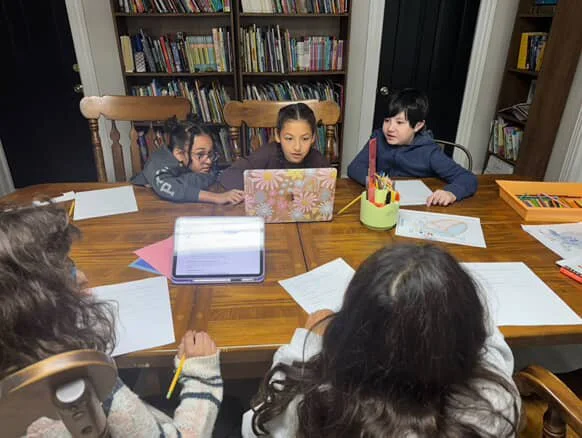
Yeah. They allowed the other students to come, and we met in the homeschool room. I didn't do it every day because that would be od. So I. There were some days where we met in the library, but we were operating out of a library and someone's home. Someone's home, school room for a long time. And then while we were doing that, I was still marketing, and I was still growing. I had families reaching out and being like, where are you? Tell me what's going on? And I would tell them, currently, we meet on these days in this home, and then on these other days, we're at this library.
Amanda Lucas [00:52:40]:
And they were like, all right, sign me up.
Tony Ortiz [00:52:42]:
Wow.
Amanda Lucas [00:52:43]:
And it was. Yeah, they were sending me. They were sending the kids to meet us. And then some families who had left went to other schools and were like, no, this is just not it. We want it. We want them to be with you. So I got some of them back, and they. But this is still with no building.
Tony Ortiz [00:53:01]:
You know what's crazy? When one day when there's, like, Lucas literacy labs all across the country, this is gonna be, like, the illest origin story. Like, all these, like, trials and tribulations. This is so cool.
Amanda Lucas [00:53:13]:
I hope so. But, yeah, so we're like. We're just like a traveling, you know, nomadic, homeless band of people. And it was terrible. But, you know, we had fun. Like, we. We did, like, Halloween together. It was like.
Amanda Lucas [00:53:28]:
We had a whole Halloween party. We did. We did everything. Like, really fun stuff. We would take hikes in the morning, and there was a park behind the library, and we would go, like, take a hike and then go come back to the library. And it was just. It was. We made it work.
Amanda Lucas [00:53:42]:
I was carrying huge duffel bags with everybody's curriculum and all my supplies. I was just traveling around New Jersey with all this stuff. And in the meantime, I'm, like, still having meetings. I'm still, like, reaching out to people. I reached out to, like, every politician in New Jersey that I could think of. I got in contact with this one councilman who was like, I got you. I'm going to help you out. And I was working A second job tutoring online until 10pm every day and all day on Saturday.
Tony Ortiz [00:54:16]:
Oh, wow.
Amanda Lucas [00:54:17]:
So that I could keep up with the bills.
Tony Ortiz [00:54:19]:
Right. That's part of that bootstrapping, entrepreneurial, figuring it out type of thing.
Amanda Lucas [00:54:25]:
Yeah. So I would like go run my school out of wherever, you know, whatever was open to me and then I would come home and work until 10 o' clock and then still like try and make it to these meetings and fight for my space. And so the councilman, after lots and lots of meetings and emails and reaching out to everybody and including like the media and everything, he got me a meeting with. There was the township business administrator, the township attorney, the town, like the fire marshal, the zoning officer, his supervisor and me and the councilman. I had no lawyer. I couldn't afford a lawyer. I didn't have anybody there with me. So I was just there with all these people and they spoke at me for like an hour.
Amanda Lucas [00:55:13]:
They were like, you are not a school. We don't know what you're talking about. These are the, these are our regulations. Mind you, I had combed through their regulations well before I even considered like starting this because it was something that Kai Pot had made me do. So I combed through it with my cohort of founders and I also combed through it with the advisors at Kaipod well before any of this. So I knew like everything that was needed and I knew that I met the criteria. So I just let them talk. They were talking, they were like, no, you know, this is the definition of a public school.
Amanda Lucas [00:55:48]:
This is the definition of a private school. You are none, you are, you do not qualify. And in their, in their paperwork it said that that building could operate as a child care center. And the child care center was for children 6 to 12 and it had to be a drop off service and it had to be for at least six hours a day. And I'm like, okay, this is what, look, look, these are all of your rules for a childcare center. Call me a child care center if you want to. If you don't know the term micro school, then call me a child care center because I qualify and that is a qualifying use. And the township attorney says, I understand what you're doing.
Amanda Lucas [00:56:35]:
My wife homeschools our children and she does this and they just call it a co op and they like meet in the basements of churches for free. But you are doing it differently. You're like, you want to rent a space to do it. Now what I do is not a co op because co ops Are like, all the parents kind of take ownership and they each teach a different thing. Right. It's like a group of parents, and like. Like, one mom will teach science and the other will teach Spanish. And, you know, it's like a group.
Tony Ortiz [00:57:05]:
Of parents kind of like homeschooling together type of thing. Like banding together to homeschool.
Amanda Lucas [00:57:09]:
Right. It's not what I'm doing. But I was like, okay, you kind of get it, right?
Tony Ortiz [00:57:14]:
At least he's trending in the. In the right direction.
Amanda Lucas [00:57:17]:
Yes. And so because he understood, he was like, okay, we're going to give you youth approval for the space, but not the whole space, just the first building. And he says that. And the. The township, the. The. The zoning officer supervisor starts frantically going through the papers that are in front of her, and she's like, no, but they don't. They don't.
Amanda Lucas [00:57:41]:
They can't, because the. The codes change. Then their. Their driveway is supposed to be five feet from the building next to it, and it's three feet. And that. Oh, my God, Five years ago. And so she can't, like, no, you. She was just trying so hard.
Tony Ortiz [00:57:56]:
She had it in for you.
Amanda Lucas [00:57:58]:
Yeah. And him and the. The, like, the fire marshal, they were like, okay, you're like, fine lady. Like, you're fighting. Yeah, just go on. Just go ahead. Go run your school. And so I took my kids, and we got into the building, and it was so cute.
Amanda Lucas [00:58:17]:
Like, I had already had it set up, and that was another huge expense. I was, like, getting stuff from Facebook, Marketplace and, like, finding grants and all kinds of stuff to get it furnished, and so it was ready to go. But there were certain things that once the kids got in there, they wanted to change. Like, I had, like, the podcasting room, and none of my kids cared at all about the podcasting room. They didn't want that.
Tony Ortiz [00:58:41]:
Oh.
Amanda Lucas [00:58:44]:
Okay. Like, we did a podcasting unit, and they were like, no, not for me. They wanted, like, an art room. So I was like, okay, what do you think? Also, the township told me that my. My soundproof paneling was illegal. So. Yeah. So I had to pull down all the paneling.
Amanda Lucas [00:59:01]:
They were like, what do. I said to the kids? What do you want to do? And they were like, they wanted a chalkboard wall there. So the kids literally, like, sanded and painted the wall themselves, because that's what they wanted there. It was cool. Yeah. So then. Yeah, now we're in the building.
Tony Ortiz [00:59:14]:
And so when. When. So this is past the September date, obviously. So after the nomadic experience of like, teaching all over the place. Like, what month are we in for that first year by the time you guys actually got in? January. Wow.
Amanda Lucas [00:59:31]:
Yeah. Yeah. January.
Tony Ortiz [00:59:34]:
That's a lot.
Amanda Lucas [00:59:35]:
Yeah. Yeah.
Tony Ortiz [00:59:37]:
It must have been such a. Such a relief by the time that came around just to be able to start.
Amanda Lucas [00:59:43]:
Oh, yeah, yeah, yeah. It was great. Yeah. And then I grew it. I grew it back to 12. Now I have 12 students enrolled.
Tony Ortiz [00:59:50]:
Nice.
Amanda Lucas [00:59:51]:
Yeah.
Tony Ortiz [00:59:52]:
And you still have the two teachers or you're still.
Amanda Lucas [00:59:56]:
I had to let them go.
Tony Ortiz [00:59:57]:
Okay.
Amanda Lucas [00:59:58]:
I had to let them go. But I did just hire a new math teacher, so she's starting in September with me and Lionel. Carmen. She's going to be my. My assistant.
Tony Ortiz [01:00:10]:
Oh, really? Nice.
Amanda Lucas [01:00:12]:
Yes. He came and she did. She did summer camp with me, and the kids loved her and the families loved her because she doesn't speak English. And so it's like Spanish immersion with her because she doesn't care if you understand her or not. She's going to speak.
Tony Ortiz [01:00:25]:
Right. You're going to get it one way.
Amanda Lucas [01:00:27]:
Or the other, right? Yeah. She's such a huge help. So, yeah, she'll be there with me. And then I have one other staff member.
Tony Ortiz [01:00:35]:
That's amazing. And this was January of last year. Right. So last year was the first. So this September is going to be the start of your second, second year.
Amanda Lucas [01:00:44]:
Yes.
Tony Ortiz [01:00:45]:
Nice.
Amanda Lucas [01:00:46]:
Yep.
Tony Ortiz [01:00:46]:
And do you have the, like, the same kids carrying over, like, last year, this year?
Amanda Lucas [01:00:52]:
Yes, I have the same kids from last year and then new ones.
Tony Ortiz [01:00:55]:
Nice. So continuing to grow.
Amanda Lucas [01:00:57]:
Yes, continue to grow. I still don't have use of the back building, though, so I have to get through that site plan approval for that. But we'll get there.
Tony Ortiz [01:01:06]:
So that's a continuing fight, unfortunately. But, I mean, I would imagine it would get easier being, you know, once you're, like, established and have, like, proof of concept or something like that, maybe.
Amanda Lucas [01:01:19]:
That can, I'm hoping, help the argument.
Tony Ortiz [01:01:21]:
Towards that, the nonsensical argument that they're making. Yeah.
Amanda Lucas [01:01:25]:
I'm praying for that day to come because there were all kinds of issues, too. Like the. When I got into the building, the fire panel had been running but not connected. I don't know how to explain this in any other way, but it was. It was attempting to connect to a line that it was not connected to. Like the legal fire panel that I need, and it burned out and it needed replacing and the landlord refused to replace it, and I couldn't operate without that being functional. So it was. In total, it was like a $6,000 hit Ouch.
Amanda Lucas [01:02:04]:
Out of nowhere that he didn't want to help me with. So there was so many little things like that that needed to be taken care of.
Tony Ortiz [01:02:11]:
Right?
Amanda Lucas [01:02:11]:
Yeah. And I feel like I'm not, I'm not really out of the woods entirely. So at some point I'm hoping that I will feel like I've made it, that I'll be able to feel. Yeah, the joy of having come through it. But yeah, I'm not there yet.
Tony Ortiz [01:02:25]:
But you're still, you're in the thick of it still. But in the latter part of the beginnings, I would, I would say I would characterize it as. Yeah, at least that's what it sounds like from the outside looking in. And what, what is the. So once you do get the approval for that back building, that what does that allow you to do? Like to expand, to get more students or like what's the. Or do you have like a different purpose for that?
Amanda Lucas [01:02:53]:
So that back building, initially I was thinking I'm just going to use the front building and the back building. I was going to make it like a co working space for parents. And then I was like, that's not the best use of the space. Let me turn it into a store for the kids so that they can like sell out of it and like it can be like, you know, because we were learning about entrepreneurship and a funny thing, last year, every single parent that I had was an entrepreneur.
Tony Ortiz [01:03:22]:
Nice.
Amanda Lucas [01:03:23]:
Yeah. I was like, the kids can, can, you know, they're constantly making stuff, they're super creative kids. And I was like, maybe I can turn that into a shop. But there's such a demand for this that I'm most likely just going to have to use it as another classroom.
Tony Ortiz [01:03:36]:
Nice.
Amanda Lucas [01:03:36]:
Yeah, that's a good problem to have more students hire. Yeah, I'll be able to hire more people and yeah, and maybe you can.
Tony Ortiz [01:03:43]:
Work still, still serve that like entrepreneurial like vein of it, of that idea and just like move it to like an online type of thing. Like help them set up like shopify shops or something like that, you know?
Amanda Lucas [01:03:55]:
Yeah, exactly.
Tony Ortiz [01:03:57]:
I wanted to ask you, in our last conversation you mentioned how like writing and storytelling, they played a huge role in your, in your classroom, your experience teaching. So how have you figured out ways to weave those values into the foundation of your new school?
Amanda Lucas [01:04:15]:
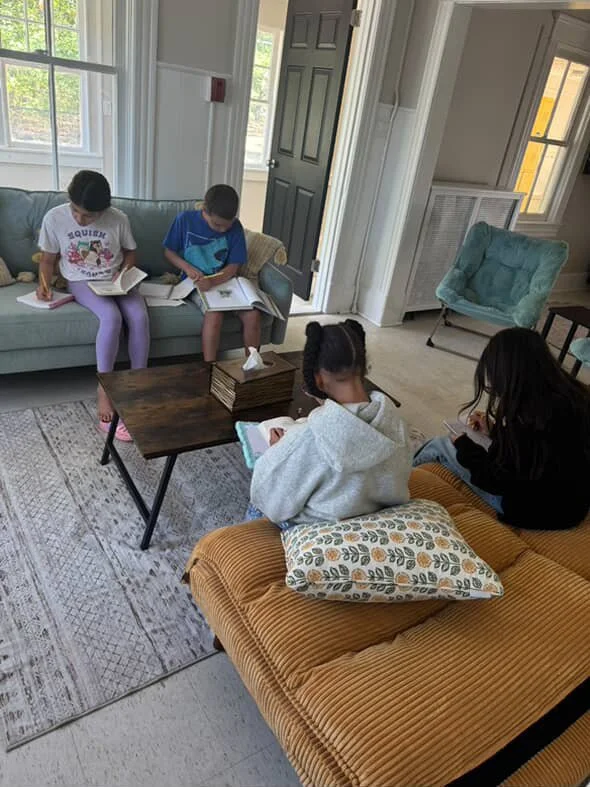
So okay, it's in everything. It's in literally everything. So all the kids work on their own curriculum, right? They work on their own curriculum for ELA and for math. But the one and only school supply that they have to bring because I supply everything is a journal and it's a journal that they have to pick out on their own. Like, like something that they love. And because it's not going to be read, I don't read it. But they have journaling time every day. They start the day there.
Amanda Lucas [01:04:44]:
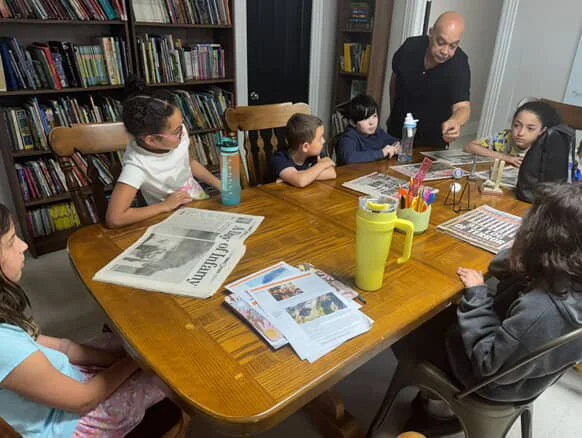
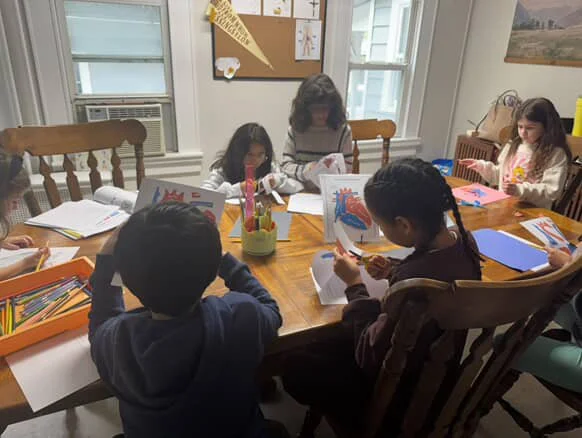
I'm also a Christian school, so we start with prayer, but we do. They do journaling in the morning. I do read aloud with them every day. And so we're reading through like the big things that they normally probably wouldn't read, like some classics that they probably wouldn't want to hear, I mean, or read on their own. But it's more fun with a read aloud. And then in the afternoons we do project based learning. So their science and their history is all hands on. And it's units that I create and they're aligned with state standards, but they are all like project based where the kids are building and watching and writing and every way in that they can have it's going to be available to them in the projects that we do.
Amanda Lucas [01:05:34]:
And so every unit that we cover I have a book list for. So the kids are reading for every unit, books that go along with it. They're also reading for the morning prayer because the morning Bible time is also units that I created. So we're covering like fruits of the Spirit. The first one is love. So it's an 18 week fruits of the spirit curriculum that I created. And so the first fruit of the Spirit in the Bible is love. And so we have picture books that they're buddy reading to do with love.
Amanda Lucas [01:06:05]:
They're reading poetry about love. They're defining love for themselves. They are creating a class project around love. Same thing for Joy. Same thing for like the science units that they're doing. They're reading biographies and fictional stories and then they have the read aloud with me. And then we have independent reading every day. So they have their own reading goals for their independent reading, their buddy reading books together.
Amanda Lucas [01:06:30]:
And then I have a parent book club that I run with my parents also.
Tony Ortiz [01:06:36]:
And that's like after school times or like during.
Amanda Lucas [01:06:40]:
Yeah, it's after school. The parent book club is after school. Yeah.
Tony Ortiz [01:06:44]:
Nice. That's so cool.
Amanda Lucas [01:06:46]:
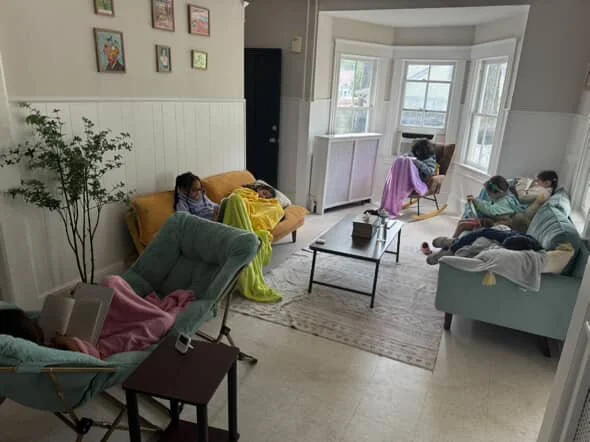
So it's like. Yeah, it's like constant reading and the kids like during their independent reading block, you know, I have a bunch of blankets and couches and so they're just kind of like lounging and they have been known to like make a reading for it and reading the reading for it. And it's really sweet. It's like the reading aspect of it is always, it's always made, it's intentionally made to make them feel cozy and loved while it's happening. So I'm reading to them and they're snacking and they're cozy. They're reading to themselves and they're cozy. They're having their, their buddy reading and they're cozy and so they come to love it. You know, our book conversations, the projects that come out of what they're reading, if they're always like really dynamic and super cool, but also, you know, literacy is not just reading, it's speaking, listening, writing.
Amanda Lucas [01:07:45]:
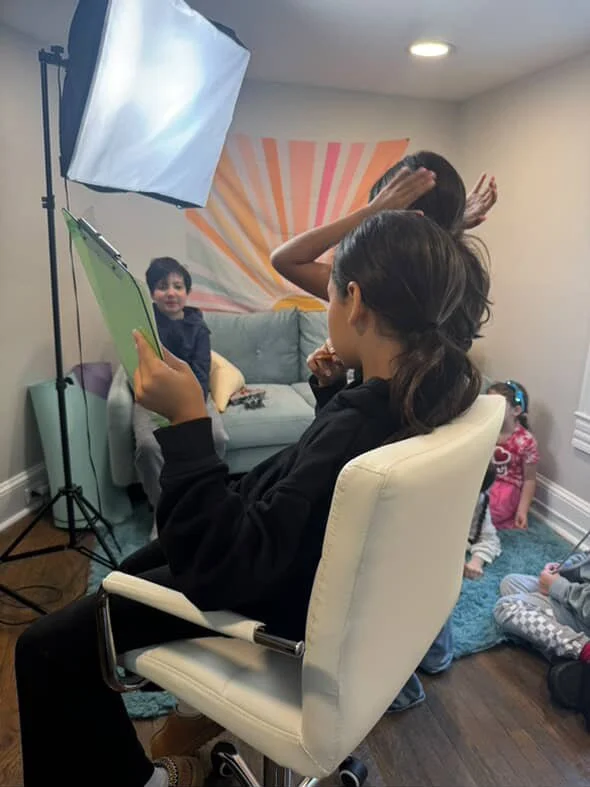
So that's also incorporated into everything that they're learning. Like, can you present this to the class? Can we have like open discussions where people are asking you questions and can you defend what you just said and can you explain it in a way that everyone can understand it? They still make videos. We have like a room upstairs. Not the original podcasting room across from it. I brought all my lighting and stuff and they make videos up there to learn how to communicate effectively.
Tony Ortiz [01:08:10]:
So that's awesome. And those are such like, like tangible life skills, you know, the, the communication aspect of that. And when I, when I hear you describe it, I kind of, it makes me think of giving sugar with the medicine, that saying, like with kids. So it's like they're like in such a comfortable, happy, relaxed environment that it kind of like allows the learning to like penetrate more. I would think it's a treat.
Amanda Lucas [01:08:36]:
It's a treat. Like reading time is a treat. I've asked all my, we're constantly asking them, like, how do you feel? Tell me what you like, Tell me what you don't like, you know, and all of them say that their favorite part is independent reading, which is surprising because like the hands on aspect of the, in the afternoon, like the enrichment block of the day is so dynamic and fun. Like they make huge messes. They're like building stuff and painting and you know, they're like, it's just, it's so dynamic and they, they really like the independent reading with it just laying down quietly with the lights off and like. And reading.
Tony Ortiz [01:09:15]:
Gotcha.
Amanda Lucas [01:09:15]:
Yeah, all of it, all of it is meant to be. And also like the project based learning that we do is child led. So they choose what they want to learn about and then it's up to me to make sure that it's like dynamic and that they're getting all the, everything that they need to know. How do you learn? How do you Research. Where do you find answers to the questions? How do you ask questions? What do you want to know? What more can we learn? You know, how else can we research this? Who can we ask? Who can we visit? So, yeah, but. But they get to say, like, I'm really into literally anything. And then we'll build a unit around.
Tony Ortiz [01:09:52]:
It that's super cool. Something like that reinforces their. Again, going back to, like, actual, tangible life lessons that that type of opportunity within their. Have a stake within their learning process, not to just be takers of the process reinforces their, like, leadership and growth and. That sounds awesome.
Amanda Lucas [01:10:10]:
Yeah, it's different from, you know, when you're in other settings. Sometimes, like, the kids will be like, what do I need to know to pass the test?
Tony Ortiz [01:10:17]:
Exactly.
Amanda Lucas [01:10:19]:
And here it's like, no, what do you want to know? And how are we going to figure that out? What questions do you. I'm not. I'm not telling you anything. I'm just asking you, so.
Tony Ortiz [01:10:29]:
Right. But you're also in a position from your prior experiences in the, like, traditional teaching systems to be able to kind of like, reconcile both sides. Like, you give them, it sounds like, to me, the most freedom possible to be stakeholders in their actual learning process and as involved as they can be, while also making sure that they are, they're protected on the other side, on the, you know, the real world. All right, now, when you go to college, this is actually going to translate into like a high school diploma that you can. You're not going to get turned away at the door type of thing and say, oh, you got to go back to ninth grade. Be like, in that situation, you're balancing both sides. That's amazing.
Amanda Lucas [01:11:11]:
I'm doing my best. Thank you. I'm trying my best.
Tony Ortiz [01:11:16]:
So to wrap, I wanted to ask you, what advice would you give other teachers who thought about creating their own school or program, but just don't know where to start? And I think you laid out like a very situation that's very unique to you and your experience, but then I'm sure will also resonate with other folks thinking about doing the same thing that, you know, they might go through. Maybe not the exact same hiccups that you did, but some of them certainly. So just this episode in and of itself kind of answers that question. But if there's anything else that you want to leave folks with that may be thinking about creating their own school or just any entrepreneurial endeavor that they're haven't taken the leap towards, I'm gonna.
Amanda Lucas [01:12:02]:
Say first of all if, if a school of your own is a dream, I would say Kaipod, because Kaipod serves all of the United States and also other countries. Like they have helped people open schools in Canada and Jamaica. So they're. Yeah, I would. If a person wants to open a school, I would say go to Kaipod.
Tony Ortiz [01:12:24]:
I'm going to get their information from you so I can link to it in the episode notes as well.
Amanda Lucas [01:12:28]:
Okay, that's a good idea because yeah, they're excellent.
Tony Ortiz [01:12:31]:
And actually, real quick, I'm sorry to cut you off because I know I just asked you the question and I'm cutting you off from answering the question, but just because I forgot to ask this earlier. With everything that Kaipod helped with, like you said, like their legal team, the marketing, like everything that you went through with them, is that like a pay as you go type of service? Do they have like a stake in the school type of thing? Like how does that work, if you don't mind me asking?
Amanda Lucas [01:12:57]:
Yeah. So I am full owner. I have 100% of my school. They do not own it. They also don't have any right to change anything at all that I want to do. And they, they advise me. But I, I'm the ultimate decision maker. Right.
Amanda Lucas [01:13:11]:
So it's full freedom for me. They. The contract with them is 3% of tuition for three years and that's it.
Tony Ortiz [01:13:19]:
Awesome. Wow.
Amanda Lucas [01:13:21]:
Yeah. And then they, they help. I think they may have increased that by now, I don't know. So new. New people. I'm sure it's not more than 10%, but yeah, I would check that. But it's. It's a percentage of the tuition, a very small percentage of tuition for three years.
Amanda Lucas [01:13:37]:
And they help you for all three years. And then you can re. Re up with them if you feel like you still need it.
Tony Ortiz [01:13:42]:
Got it. Okay. That's awesome. So what else would you say for, for folks wanting to, to start their own school?
Amanda Lucas [01:13:50]:
I would say that. So I'm in a lot of group chats with different founders from different regions and we're constantly talking about things that are coming up and things that we're facing. And as. As horrible and stressful as mine was, I don't know anyone who didn't deal with something very stressful, even though all the problems were different. So I think that what people need to know is that you, you know, you have to imagine like worst case scenario and then that it's going to stress you out. But there is always a way. Right? And I think if the desire to create Change to build something that you know is needed, that can be done in a way that's not being done yet. If that will is strong, then all you need is to find the next step.
Amanda Lucas [01:14:47]:
One step, and you're, like, still in it. You can still keep going. You don't have to solve the whole issue or every issue that comes at you all in one shot. It's just one. What one thing can you tackle at a time? How can you be creative to solve the problem and then you'll just stay in the game. But it requires, like, anything else that's new. It requires leaders and founders who are tenacious and who can cry. Because we all cry.
Amanda Lucas [01:15:16]:
We, like, are on the phone sobbing all the time. And then get up in the morning and just like, do it again. Do it again.
Tony Ortiz [01:15:21]:
Yeah, that's awesome. That's great advice. And it ties to something you mentioned earlier, which was just getting comfortable with knowing that you're not going to have 100 control of any every given situation and getting comfortable with living in that while you figure things out.
Amanda Lucas [01:15:38]:
Yeah. Yeah, right?
Tony Ortiz [01:15:40]:
That's awesome. And Amanda, let the folks listening know where they can learn more about Lucas Literacy Lab.
Amanda Lucas [01:15:48]:
So Lucas Literacy Lab on all platforms except for TikTok. I haven't jumped in there. Yeah, maybe at some point. So Instagram, Facebook. The website is lucasliteracylab.com. yeah. And we're in Oak Bridge, New Jersey.
Tony Ortiz [01:16:02]:
That's awesome. Thanks so much for coming on the show again. I will link to everything in the episode notes as well for the folks listening. And thanks again, man. That was awesome.
Amanda Lucas [01:16:11]:
Thanks for having me.
Tony Ortiz [01:16:12]:
Of course.
Amanda Lucas [01:16:13]:
Yeah, thank you.
Tony Ortiz [01:16:17]:
And that, folks, was episode 290 of the Spontane Today podcast. How great was that? What I love about Amanda's story is that it's equal parts resilience and vision. She started with that little teaching pod in her living room, faced every obstacle imaginable, especially that pretty unique nomadic one nomadic teaching period that she experienced and still managed to open up a school that reflects her values as an educator and as a parent. A big takeaway for me is that her journey reminds us that creativity isn't just about writing books or recording podcasts, although it's definitely that. But it's also creating the environments and systems where people can thrive. And Amanda literally built one up from the ground up. Thank you very much, Amanda, for taking the time to come on and to share. And I can't wait for you to come back on in the future to update us on all the progress and flourishing of Lucas Literacy Lab Spun Today listeners, please check out the Lucas Literacy Lab website and socials as well as Amanda's children's book I Need an Idea, all of which and more will be linked to in the episode notes.
Tony Ortiz [01:17:30]:
Also check out the webpage for this specific episode for some photos of the school which Amanda shared along with a full transcript this episode. For that you can go to spun today.com podcast forward/29290 and I'll check you guys out next time. What's up folks? Tony here. I hope you're enjoying the Spun Today podcast as much as I enjoy producing it for you. Here are a few ways you can help support the show. You can support the Spun Today podcast financially by going to spun today.com support. There you will find a couple different ways that you can do just that, some of which will actually not even cost you a dimensional, such as using my Amazon affiliate link. When you go to sponsoreday.com support, you'll see my affiliate link to Amazon.
Tony Ortiz [01:18:23]:
Click on it and it will take you to Amazon's website where you can do your shopping like normal. This will not cost you anything extra, but Amazon will pay me for driving traffic to their website. If you'd like to support the podcast more directly, you can do so by becoming a patron@spuntoday.com support. You'll also find my Patreon link. This is where creators such as myself can be paid directly by patrons like you. You can either make a one time donation or schedule recurring donations if you so choose. There are also different tiers of support and depending on which you decide to go with, you'll also receive some perks in return such as early access to content, free digital copies of my books, free bookmarks, etc. That is again by supporting via my Patreon link available@ sponsorday.com support similar to Patreon at that same location.
Tony Ortiz [01:19:14]:
You'll also find my Ko Fi link as well as my Buy me a coffee link. They work very similar to Patreon and are different ways you can help support the show financially. And last but certainly not least, you have the good old fashioned PayPal donation button. Any which way that you choose to support is greatly appreciated. It all helps me do more of what I love, which is writing and podcasting. Again, go to spun today.com/forward/support. You can also support the Spun Today podcast by rating and reviewing the show. Wherever it is that you're listening to this episode, I'd really appreciate it because it really does help.
Tony Ortiz [01:19:50]:
Also, follow me on all socials Spun Today on X, formerly known as Twitter, Spun Today on Instagram and punt today on YouTube where you'll not only find full length episodes of the podcast, but also chopped up clips and additional content. And of course you can follow the Facebook page at facebook.com forward/spun today. Another way you can help support the Spun Today podcast and also upgrade that stale wardrobe of yours is by going to spun today.com support and clicking on the banner for Stitch Fix. Once you do, you'll enjoy a $25 discount to your first purchase. And the way Stitch Fix works is pretty cool. I use it and I've never been disappointed. You'll set up a profile, you'll put in all the sizes for your clothes as well as all the different brands and types of clothes that you like to wear. It's really simple and intuitive to set up.
Tony Ortiz [01:20:45]:
They'll show you pictures and pretty much give you a thumbs up or thumbs down option on if you would wear something or not. And you get to select all all the brands that you already are used to wearing. With this information there are thousands of passionate trend setting stylists will curate a Stitch Fix box for you. They'll send you five items that you get to preview before they mail it to you and you'll get to select based on the image if you like it or not. If not, they'll replace it with something else and if so, they'll mail it to you absolutely for free. You can try everything on and you have a few days to send everything back or keep the stuff that you want to keep. Then you can use that $25 credit that I mentioned towards your purchase of those items again. To freshen up your wardrobe and also support the Spun Today Podcast, go to sponsor Day.com support and click on my affiliate link banner for Stitch Fix and enjoy your $25 credit.
Tony Ortiz [01:21:38]:
Do you want to start your own podcast? Have a great show idea that you want to get out into the masses but don't know quite how to get it from your head out into the world? Well, here's how. Use the podcast host Libsyn. That's who I use to bring the Spun Today podcast to you. And now you can use them the same way. Using the promo code Spun Spun, you can open up your Libsyn account today and get two months of free podcast hosting. Here's how it works. Once you record your show, you upload it to your Libsyn account where you can fill in your episode notes, upload your podcast art and schedule when you want your episodes to release. Once you do that, Libsyn will take care of the rest.
Tony Ortiz [01:22:22]:
They'll distribute your show to Spotify, Apple Podcasts, YouTube, and all the other podcasters that you choose instantaneously and seamlessly. Again, go to Libsyn.com and use the promo code spun s pun to get two months free. Or use the affiliate link that's in the episode notes. Again, that's libsyn.com promo code spun. Take that great podcast idea from out of your head and put it out into the world. And as always, folks, substitute the mysticism with hard work and start taking steps in the general direction of your dreams. Thanks for listening. I love you, Aiden.
Amanda Lucas [01:23:16]:
I love you Daddy.
Tony Ortiz [01:23:19]:
I love you, Grayson.